ABOUT ME
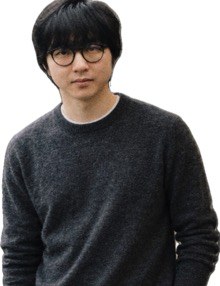
CHRIS PARK
MATHEMATICS AND PHYSICS TEACHER CANDIDATE
I am completing Simon Fraser University’s Professional Development Program to become a secondary mathematics and physics teacher. I have an Honours degree in Physics from the University of British Columbia. Before teaching, I worked as a photonics and cryogenics technician at UBC’s Quantum Matter Institute.
TEACHING PHILOSOPHY
I think in the current education system, the correct answer is overvalued. Sure, the answer is important, but I think it overshadows the value of reasoning why an answer is right or wrong.
A wrong answer is not a meaningless one. I believe we learn best through making mistakes and reflecting on them. But when only the correct answer matters, students can feel like they’re not allowed to make mistakes. Students are not supposed to know how to do everything. They’re SUPPOSED to make mistakes! That’s why we’re here, right? I want to build a classroom where students aren’t afraid to make mistakes, because we’ll take the time to work through their reasoning together.
High school physics, I think, is in a strange spot. A lot of students treat Physics as if it’s just… Math. Many excelling students know how to calculate the answer, but can’t explain basic physics concepts. I feel like this cannot be right. Calculating the number at the end is important, but I want to prioritize understanding the underlying concepts.
Lastly, I think it’s very cool that we can learn in one lesson what took human beings a lifetime or several generations to work out. I’m proud of being involved in this process. This makes it interesting to look back at the history of science. That equation on the board wasn’t something human beings discovered overnight! It was something that was built through thousands of years of mistakes, arguments, testing and revision.